November 12, 2026
Water is one of the most vital resources in your home, but it can also become one of your biggest expenses if left completely unmonitored. While a massive flood is easy to spot, the real financial drain often comes from slow, insidious drips happening out of sight. Many homeowners pay their monthly utility bills without realizing a significant portion of that money is washing down the drain due to unseen compromises. According to the US Environmental Protection Agency, the typical American utilizes around 82 gallons of water each day inside their home. However, that number can skyrocket if faulty pipes are secretly running in the background. Finding these concealed issues early can save you a significant amount over the years. By knowing exactly where to look and when to call in experienced plumbers, you can protect your budget from these silent financial drains before they escalate. Here are six specific areas where these hidden culprits could be secretly driving up your monthly utility costs.
1. The Silent Dripping Under the Kitchen Sink
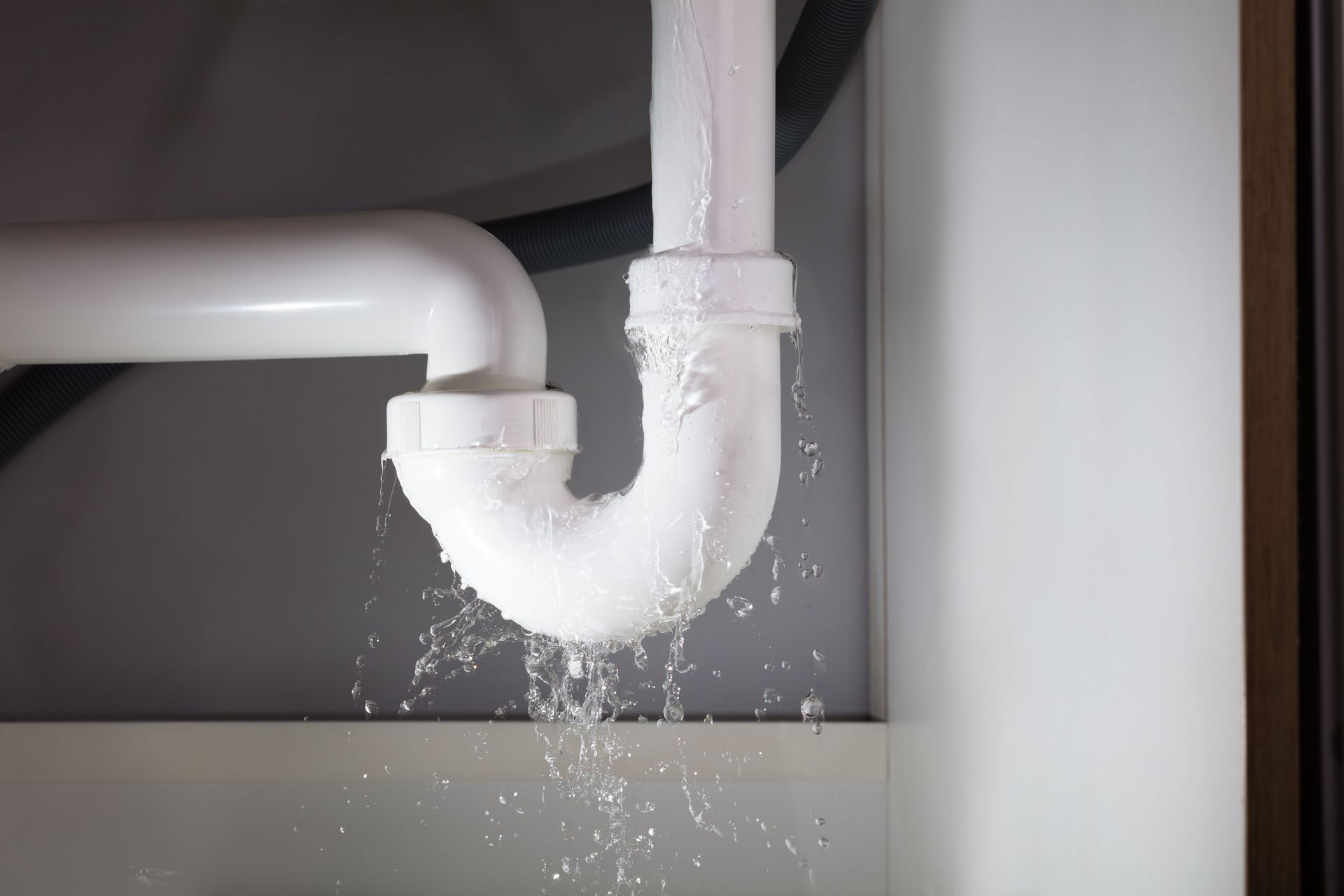
When it comes to regular household chores, you likely spend plenty of time standing at your kitchen sink. Despite frequent use, the dark cabinet underneath is rarely inspected unless you are reaching for a cleaning product. Supply lines and garbage disposal seals often develop slow drips that quietly soak into the wooden base. Over time, this moisture leads to mold growth and rotted cabinetry that requires expensive restorative work. You might notice a musty odor long before you ever see a puddle forming. If you store towels or cleaning tools under the sink, they can absorb the moisture and hide the evidence. Resolving this issue often involves specialized kitchen plumbing solutions to ensure all connections are watertight. If the damage extends into the wall, a professional leak detection service performed by knowledgeable plumbers can identify the exact source to stop the bleeding at its root.
2. The Running Toilet You Have Learned to Ignore
It is remarkably easy to grow accustomed to the faint, continuous sound of a toilet refilling long after it has been flushed. Many homeowners simply jiggle the handle and walk away, assuming it is a minor quirk. In reality, a constantly running toilet is one of the most notorious culprits for high bills. A faulty flapper valve can waste hundreds of gallons of fresh water every single day. Because the water flows straight down the drain without spilling onto the floor, there is no visible mess to create urgency. Ignoring this constant flow means you are literally paying for water you never use. It is highly recommended to have routine plumbing inspection services performed to catch worn-out internal components before they inflate your expenses. Local plumbers can quickly swap out these deteriorating parts, restoring total efficiency to your bathroom fixture almost immediately.
3. The Water Heater Valve That Constantly Weeps
Your utility closet is the heart of your home's hot water supply, yet it is frequently neglected until a major problem arises. Many units are equipped with a temperature and pressure relief valve designed to release excess buildup. When this valve begins to fail, it can start to weep continuously. This slow drip runs down the side of the tank or quietly down a pipe into a floor drain, making it invisible to the untrained eye. Because it involves heated water, you are paying double for this leak: once for the water, and again for the energy used to heat it. Addressing this requires immediate water heater repair from knowledgeable plumbers to replace the faulty valve and restore proper pressure levels. If the tank itself is severely corroded, professional pipe replacement or a full system swap might be the only viable solution.
4. The Outdoor Faucet You Rarely Ever Check
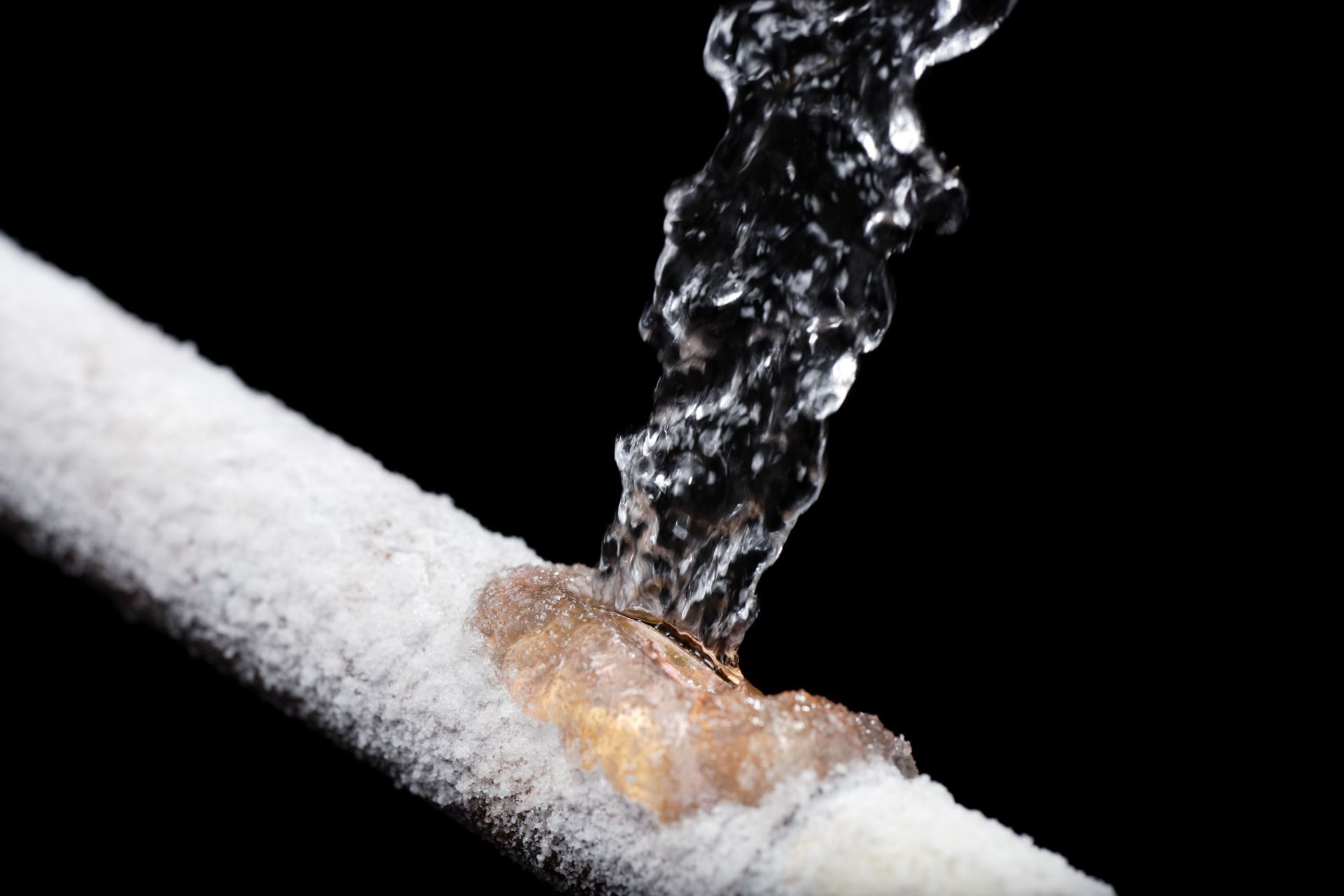
Exterior spigots endure harsh weather conditions year after year. Through freezing winters and scorching summers, the internal washers degrade. When you turn off the hose after watering the garden, you might assume the flow has stopped entirely. However, outdoor faucets frequently develop slow leaks that drip into the soil. Because the ground absorbs the excess moisture, you may never see a standing puddle. This outdoor dripping can go unnoticed for an entire season, quietly racking up charges on your utility account. Sometimes, the freezing temperatures cause a minor fracture in the line just inside the wall. If left alone, this fracture can suddenly rupture, making burst pipe emergency repair an absolute necessity to prevent interior flooding. Bringing in skilled plumbers to evaluate exterior fixtures will help you avoid expensive surprises and maintain the overall integrity of your water supply lines.
5. The Hidden Supply Line Behind Your Washing Machine
Laundry rooms are loud, heavily used spaces where the sound of rushing water is completely normal. Behind your washing machine sits a pair of supply lines under constant pressure. Over the years, rubber hoses become brittle, and their connection points loosen from the vibrations of the spin cycle. A tiny, pinhole leak behind the appliance can spray a fine mist of water onto the drywall, running down without ever reaching the visible floor. Because the machine is rarely moved, the slow accumulation of moisture goes unseen until mold begins to spread. Upgrading these old connections and investing in sturdy pipe insulation contractors can prevent temperature fluctuations from worsening the wear. Regular evaluations of your laundry room connections by experienced plumbers ensure these hidden hoses remain secure, protecting your flooring and drywall from the quiet destruction of an unseen leak.
6. The Invisible Leak Below Your Main Sewer Line
While supply line drips waste clean water, a breach in your underground drainage system creates an entirely different set of expensive problems. Tree roots seeking moisture can easily infiltrate older pipes, creating small cracks that allow wastewater to seep directly into your yard. You might notice an unusually lush patch of grass, but the actual breach remains buried underground. Because this happens beneath the soil, it can take months before symptoms become severe enough to disrupt your routine. By the time sewage begins to back up into your home, the structural damage is already extensive. Dealing with this specific issue typically requires professional sewer line cleaning or comprehensive sewer line repair to clear the roots and mend the broken sections. If the underground network is completely compromised, bringing in plumbers for complete repiping services secures your property for the long term.
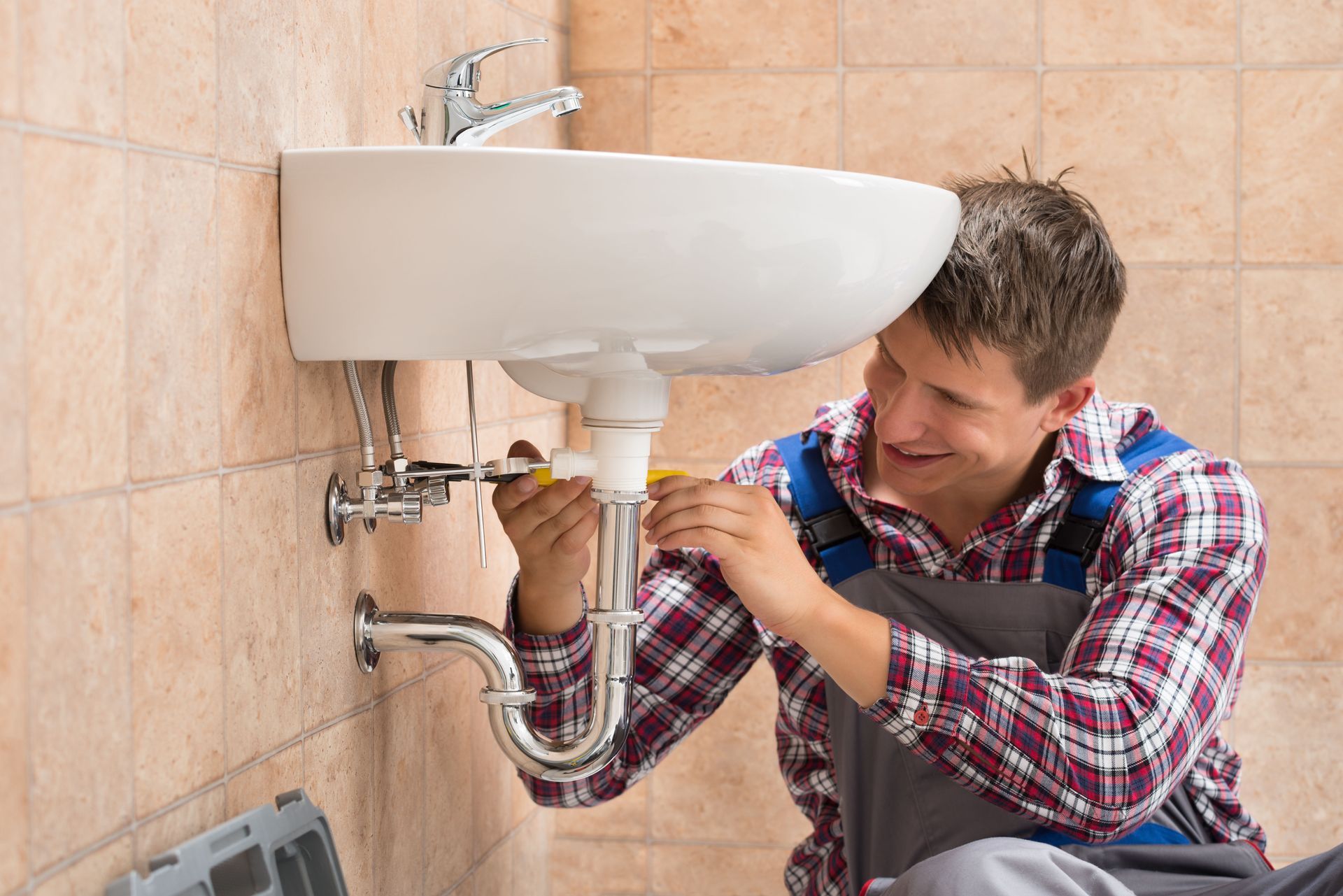
Every drop of water that escapes through a hidden crack, loose seal, or degraded valve represents hard-earned money slipping away from your bank account. While a single drip might seem inconsequential, the cumulative financial impact over weeks and months is staggering. Protecting your property requires a proactive approach, rather than waiting for a catastrophic plumbing failure to force your hand. Regularly checking your cabinets, monitoring your utility statements for sudden spikes, and paying close attention to how your fixtures operate are vital habits for any responsible homeowner. However, some issues are simply too well hidden for the average person to find without specialized diagnostic equipment. That is where relying on licensed plumbers makes all the difference in preserving your home and your budget. Do not let unseen moisture destroy your property. For expert assistance and reliable repairs, contact the experienced professionals at Dayton Plumbing Co LLC.