July 24, 2026
Every home relies on a plumbing system that works quietly in the background, making it easy to overlook until something changes. A strange noise, slow drain, or unexpected increase in your water bill may seem minor, but these early warning signs often point to larger problems developing beneath the surface. Recognizing them early can help protect your home, reduce repair costs, and prevent unnecessary stress. Experienced plumbers know that addressing small issues before they escalate is one of the best ways to keep a plumbing system running efficiently. Understanding these warning signs can help you make informed decisions before minor concerns turn into costly repairs.
1. Listening for Unusual Pipe Noises
Your plumbing should operate quietly during normal use. If you suddenly hear banging, rattling, whistling, or vibrating sounds whenever water is turned on or off, it is usually a sign that something has changed inside the system. While one isolated noise may not be alarming, repeated sounds deserve attention.
Water pressure changes, loose pipes, worn valves, or trapped air are common reasons for these noises. Over time, constant movement can place unnecessary stress on plumbing connections and increase the risk of leaks. Professional plumbers often investigate unusual sounds early because small mechanical issues can quickly become larger repairs if ignored.
Another thing to remember is that pipe noises can become more noticeable during seasonal temperature changes. As pipes expand and contract, existing weaknesses may become easier to detect. Instead of viewing these sounds as a normal part of an older home, consider them an opportunity to identify problems before they require extensive repairs. A simple inspection today can help prevent costly water damage tomorrow.
2. Watching for Slow Draining Fixtures
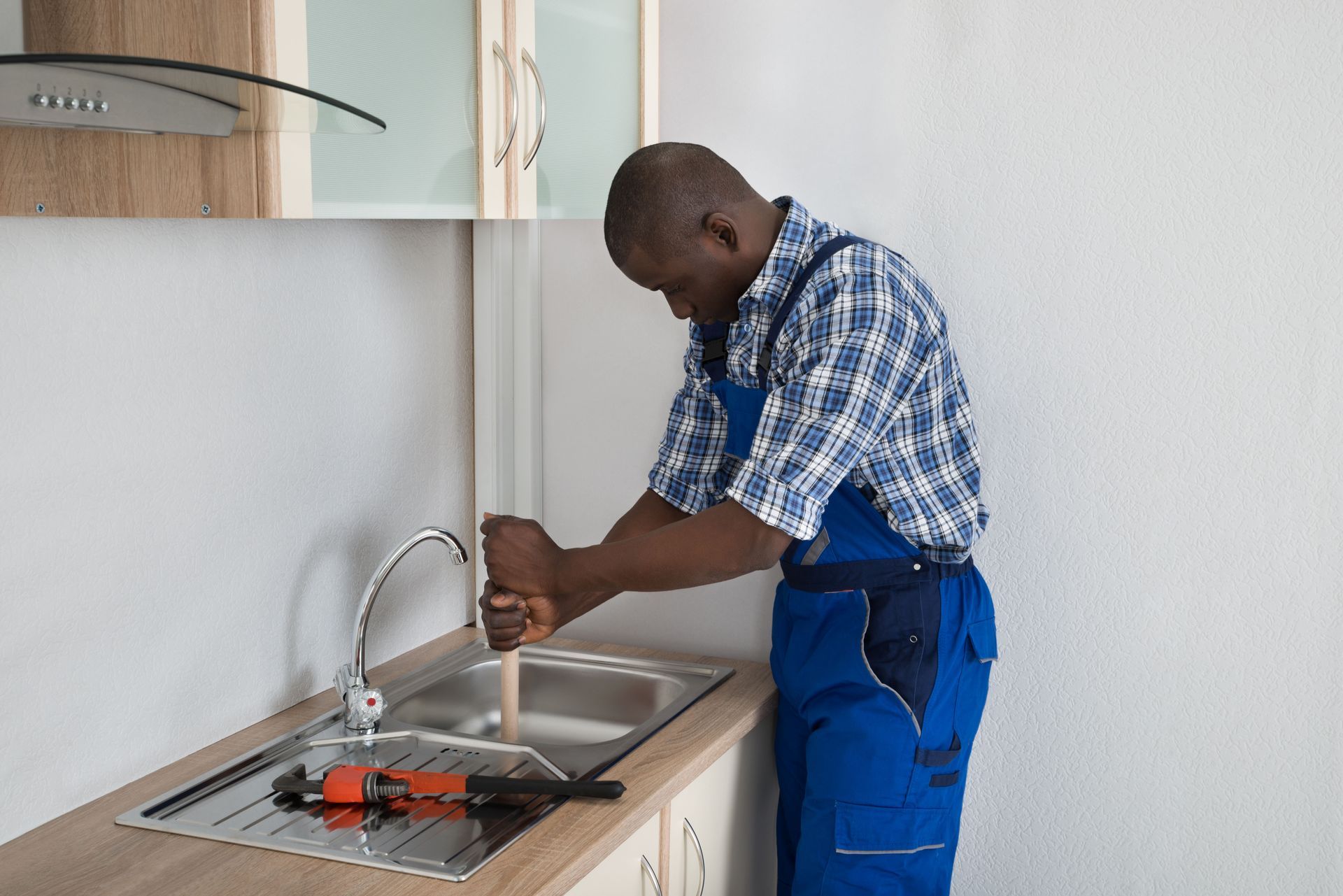
A sink or bathtub that drains slowly is more than an everyday annoyance. It often signals that debris is building up somewhere inside the drain line, restricting the normal flow of water. Hair, soap residue, grease, and other materials commonly create these partial blockages over time.
Many homeowners try simple maintenance methods first, such as removing visible debris or using a drain strainer to prevent future buildup. However, recurring slow drains throughout the home may point to a deeper issue that requires additional inspection. Addressing the problem early helps prevent complete clogs, unpleasant backups, and unnecessary damage.
It also helps to think about what regularly goes down your drains. Kitchen sinks often collect grease and food particles, while bathroom drains commonly trap hair and soap residue. Even if everything appears to be flowing, buildup can slowly reduce pipe capacity over time. Making small habits, like disposing of grease properly and cleaning drain covers regularly, can go a long way toward keeping your plumbing system working efficiently.
Many people are surprised by how quickly a minor clog can become a much larger obstruction. Water that drains just a little slower each week often indicates that material continues accumulating inside the pipes. Taking action early is usually much easier than dealing with a completely blocked drain that interrupts your daily routine.
3. Monitoring for Low Water Pressure
Few things are as frustrating as stepping into the shower only to find a weak stream of water. Low water pressure can develop gradually, making it easy to overlook until it begins affecting daily routines. Sometimes the problem is isolated to one fixture, while other times it impacts the entire home.
Mineral buildup, partially closed valves, aging fixtures, or hidden leaks can all reduce water pressure. In some cases, the issue originates with the municipal water supply rather than the home's plumbing. Instead of assuming weak pressure is simply part of an older home, it is worth investigating because it may reveal a repair that prevents larger problems later.
Checking more than one faucet throughout the house can help determine whether the issue is isolated or widespread. If only one fixture has low pressure, the solution may be relatively simple. If several fixtures are affected, the cause could involve your plumbing system as a whole, making it worthwhile to have the situation evaluated before additional issues develop.
4. Noticing Water Discoloration
Clean water should appear clear when it comes from the tap. If it suddenly turns brown, yellow, cloudy, or develops a blue-green tint, it is important to determine why before continuing regular use. Temporary discoloration sometimes occurs after municipal water work, but persistent changes should never be ignored.
Rust inside aging pipes, sediment buildup, or corrosion can all affect water appearance. Discolored water may also stain sinks, tubs, laundry, and plumbing fixtures if left unresolved. Identifying the source early protects both your plumbing system and the quality of your household water while helping avoid more extensive repairs in the future.
If you notice discoloration after returning from vacation or after your water has been shut off, allow the water to run for a few minutes before assuming there is a major problem. Sometimes sediment simply settles inside the pipes during periods of inactivity. However, if the water remains discolored or develops an unusual odor, it is a good idea to have the issue evaluated by experienced plumbers to ensure your plumbing system is functioning properly.
Although temporary discoloration is sometimes harmless, recurring changes in water quality deserve prompt attention. Clear, clean water is something every homeowner expects, so any lasting change should be treated as an opportunity to investigate before it develops into a more significant plumbing concern.
5. Detecting Persistent Sewer Odors
A sewer smell inside the home is one of the clearest signs that something deserves immediate attention. While a dry drain trap may occasionally allow odors to escape, persistent smells usually indicate an issue somewhere within the plumbing or venting system. These odors rarely improve without identifying the underlying cause.
Blocked vents, damaged drain lines, leaking seals, or failing pipe connections are all possible explanations. Besides being unpleasant, sewer gases can make your home less comfortable and may point to plumbing conditions that worsen over time. If the smell keeps returning despite basic troubleshooting, experienced plumbers can identify the source using specialized inspection equipment before the issue becomes more serious.
6. Tracking Unexpected Water Bill Increases
A higher water bill without any noticeable change in household usage often signals that water is escaping somewhere you cannot easily see. Small leaks hidden behind walls, beneath floors, or underground can continue for weeks or months before becoming obvious. During that time, they waste water and may quietly damage surrounding building materials.
Regularly checking your monthly usage helps spot unusual patterns before costs climb even higher. According to the Pipeline and Hazardous Materials Safety Administration (PHMSA), updated 2025 leak detection requirements are expected to prevent nearly 500,000 metric tons of methane emissions each year by improving leak detection and repair efforts across approximately 2.8 million miles of natural gas pipelines. The same emphasis on finding leaks early is why plumbers encourage homeowners to investigate unexplained increases in water usage before they become expensive repairs.
7. Inspecting for Visible Water Leaks
Not every plumbing problem stays hidden behind walls. Water stains, damp cabinets, peeling paint, warped flooring, or puddles around fixtures are all signs that shouldn't be ignored. Even a slow leak can cause costly water damage and mold over time.
Small plumbing issues rarely resolve on their own. Catching leaks and other warning signs early can protect your home, extend the life of your plumbing system, and help you avoid expensive repairs. Taking action quickly and relying on experienced plumbers can also prevent minor problems from turning into major disruptions. If you've noticed any of these warning signs, contact Dayton Plumbing Co LLC for dependable plumbers and professional plumbing services before a small concern turns into a costly repair.