November 22, 2026
When facing plumbing issues, it can be tempting to call the first local plumber you find. However, understanding some basic tips and tricks can save you time, money, and potential frustration. Before picking up the phone, explore these essential insights to handle minor plumbing problems effectively and know when exactly a professional is needed.
Identifying the Source of the Problem
Understanding the root of plumbing issues often starts with identifying the source. Fixtures like sinks, toilets, and showers are common places where problems arise. Observing where leaks or blockages occur can indicate whether the issue is localized or more distributed within the plumbing system. Paying attention to unusual sounds, damp spots, or dripping can be vital clues. A little patience in scoping these signs can help in formulating more informed solutions.
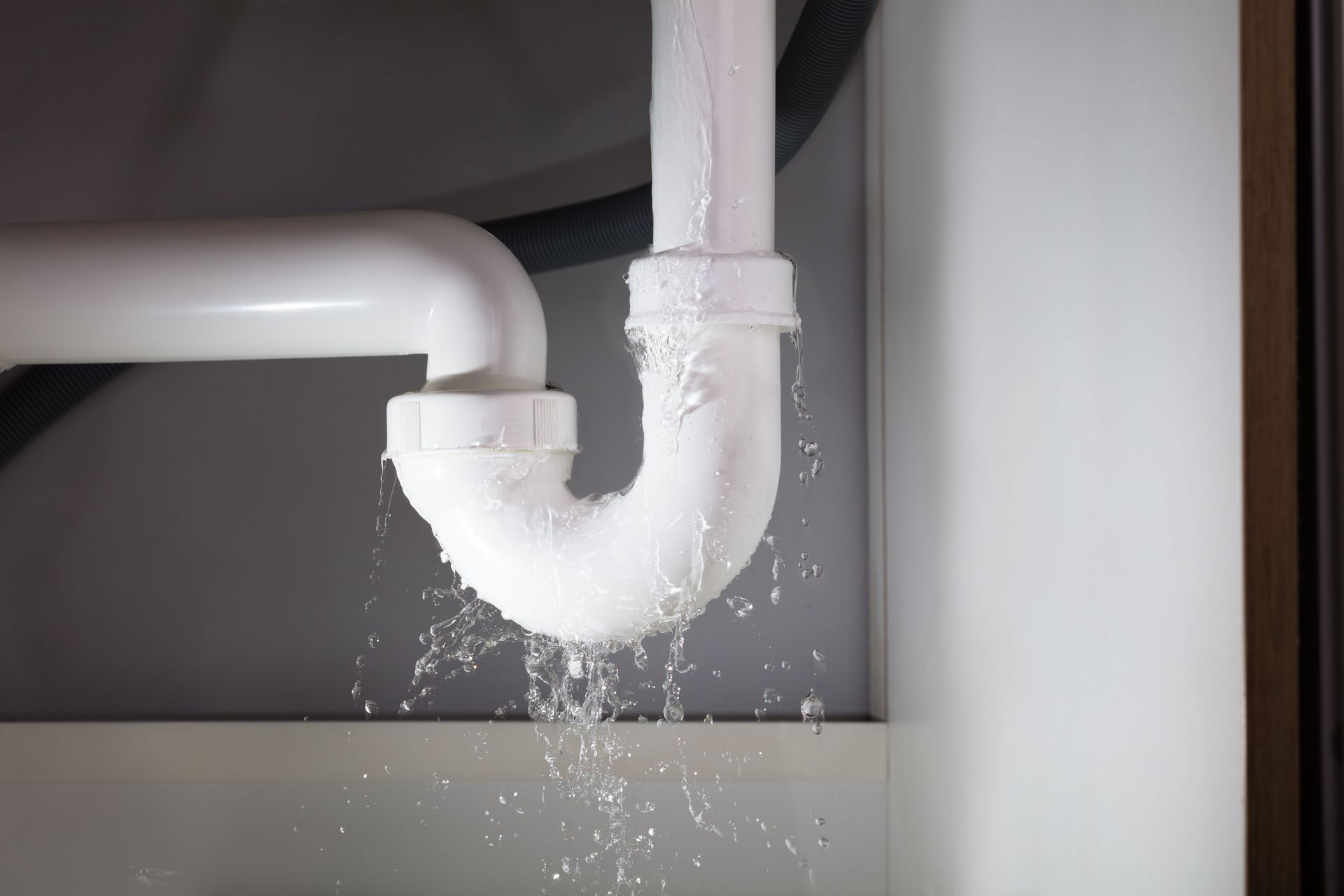
Bubbles beneath pipe insulation or water stains can suggest leaking pipes. For instance, wet spots on walls may point toward a leaking pipe hidden inside. Professionals suggest examining the source keenly to avoid misdiagnosis, which could lead to unnecessary expenses. Sometimes the solution might be as simple as tightening a loose connection if the leak is external. Correct identification not only saves time but also averts severe water damage.
Lack of water flow might steer your investigation towards greater concerns such as blockages in the water main. Moreover, observing the plumbing system's performance can assist in identifying when the situation warrants professional inspection. Once the source is accurately pinpointed, you can decide the best way forward. This vigilance similarly applies to specific fixture concerns. Never underestimate what a careful observation can unveil.
Recognizing Symptoms of Major Issues
Recognizing the signs of major plumbing issues is crucial for timely intervention. A notable red flag is persistent low water pressure, which could signify a severe blockage or a leak. High water bills without a change in water usage could indicate hidden leaks as well. Unpleasant odors emanating from drains are a potential sign of sewage or venting problems. By being cautious and aware, homeowners can preempt serious concerns and save on eventual repair costs.
Odd sounds, such as gurgling in drains or pipes, can signal venting issues, potentially due to blocked vents or pipes. These unfamiliar noises often hint at air pockets, which should be inspected by a professional. Structural issues may eventually arise if symptoms are ignored, leading to unwanted expenses and inconvenience. Leaky sounds when no water should be running, particularly at night, are another warning sign. These leaks could be minor but may also suggest more significant underlying problems.
Major issues may also appear as water pooling around certain fixtures or unexplained decreases in water pressure over time. Taking note of how and when these symptoms occur can provide insights into their causes. Additionally, reviewing previous plumbing issues can uncover patterns or persistent problems. Documenting symptoms with periodic checks prevents them from compounding unnoticed over time. According to Modernize, having your drains professionally drained every 1 to 2 years can prevent costly emergency plumbing repairs.
Differentiating Between Pipe and Fixture Issues
Distinguishing between pipe and fixture issues can significantly affect the troubleshooting process. Fixture issues typically stem from a singular component, such as a faulty faucet or a defective shower head. In contrast, pipe problems often affect the entire system, seen in general low water pressure or widespread leaks. Understanding these differences can help you narrow down the list of possible fixes and determine the required scope of repair. Moreover, proper diagnostic skills ensure efficient allocation of repair resources.
Fixture issues are often isolated and may be more straightforward to diagnose. Checking for water dripping or continuous running can place the source at the fixture level. Replacing or repairing the specific fixture can typically resolve the issue without requiring extensive investigation. This contrasts with issues that necessitate looking beyond visible symptoms. Pipe problems may stem from clogs, leaks, or breaks within the system, requiring a more systemic evaluation.
Observing whether multiple fixtures are experiencing issues can point towards a pipe system problem. Frequent clogs or slow drains occurring across different fixtures might suggest a blockage deep within the plumbing. When facing such issues, considering water flow throughout the property will guide you toward the core problem. Identifying whether the problem originates from individual fixtures or the piping system is paramount for effective resolution. This distinction is crucial for avoiding misdiagnosis and unnecessary repairs.
Understanding Plumbing System Layouts
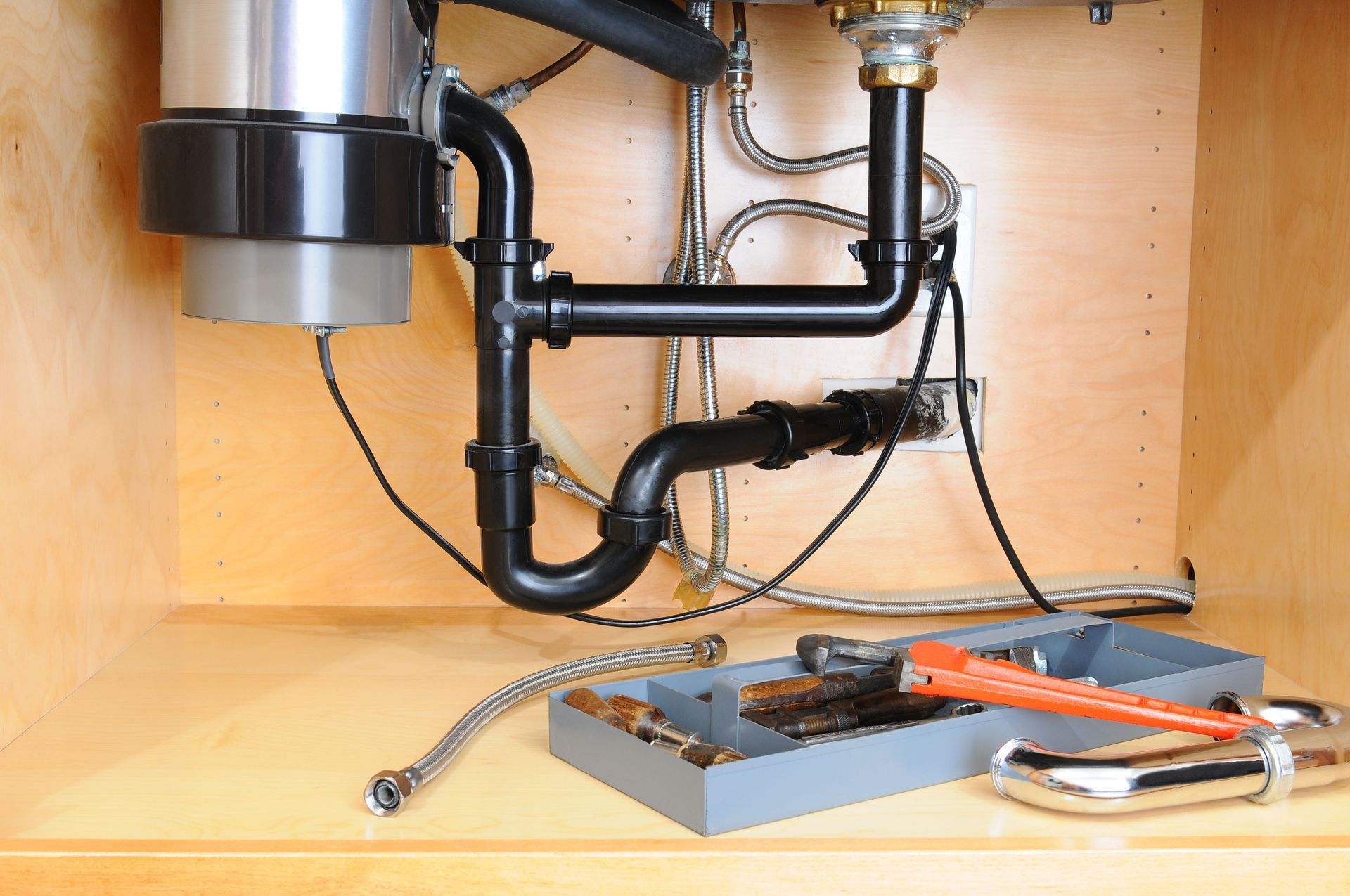
Familiarity with your plumbing system's layout plays a vital role in managing plumbing problems. A proper grasp of the system's pipes, joints, and fittings can facilitate effective troubleshooting. Identifying the main water lines and understanding how auxiliary systems are linked can prevent guesswork during repairs. At times, homeowners may need to consult house plans to comprehend their plumbing setup thoroughly. This knowledge allows you to handle minor plumbing tasks with insight and confidence.
Understanding the layout also helps in isolating problem areas without disrupting the entire system. If a leak or blockage is detected, knowing how it fits into the overall system aids in efficient resolution. This insight is particularly beneficial for addressing more extensive system issues, such as those involving main lines. Moreover, knowing the configuration can help avoid inadvertent damage. Sensitivity to the system's layout minimizes complications and improper interventions.
Ultimately, well-informed homeowners are capable of performing more targeted and successful repairs. Exploring these layouts during routine inspections can prevent unforeseen mishaps, leading to better-informed maintenance practices. Homeowners might consider creating their records or diagrams for quick reference. When it comes to identifying the exact part of a piping system or fixture that needs attention, having this visual map in mind makes the process considerably easier. Preparation and knowledge eventually lead to improved efficiency and minimized disruption.
Knowing When Water Pressure is Too High
Excessive water pressure presents various risks within a plumbing system. Not only can it put undue stress on pipes and fixtures, but it may also result in frequent leaks or bursts. Symptoms of high pressure often include unusual noises, frequent leaks, or short-lived appliance longevity. Over time, the cumulative effects of high pressure can escalate into serious structural problems. As such, maintaining balanced pressure is vital for preserving plumbing health.
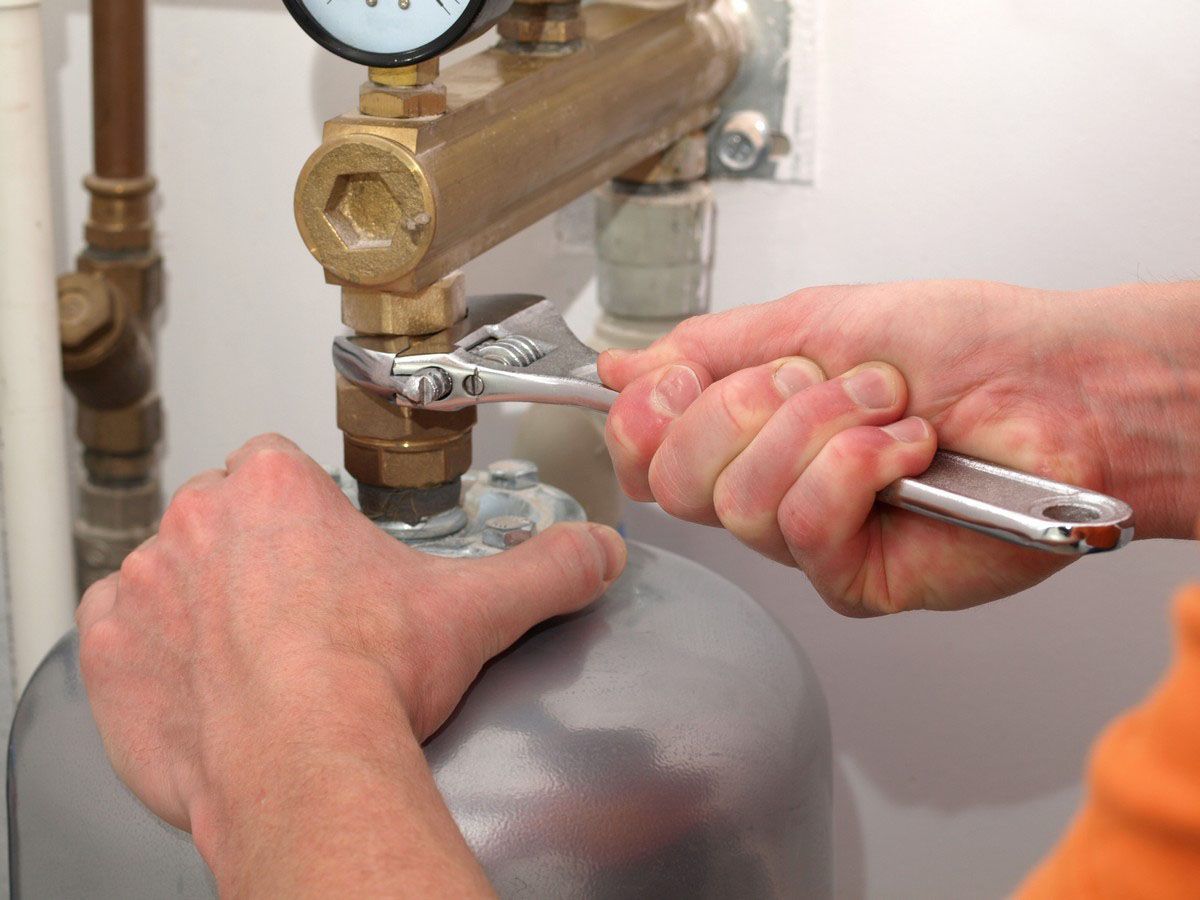
High water pressure can further contribute to unnecessarily high utility bills. Even small increases in pressure can significantly augment water consumption and costs. Homeowners should be proactive, frequently assessing pressure using inexpensive gauges found at hardware stores. If pressure exceeds recommended values, it is advisable to install a pressure-reducing valve. This adjustment not only extends the lifespan of appliances but also prevents unexpected failures.
Maintaining optimal pressure is a preventive measure that offsets expensive repairs in the long run. The regular monitoring and adjusting of pressure ensures a balanced system and reduces wear and tear. For optimal plumbing performance, fittings and pressure should be checked during periodic inspections. Such preventive measures are both cost-effective and conducive to system longevity. Awareness and vigilance in this regard help avert emerging issues that might otherwise remain unnoticed.
Plumbing problems, while commonplace, often stem from neglect or misunderstanding of the plumbing system. Therefore, it's essential to arm yourself with the right information to address these issues confidently. If you're looking for a dependable
local plumber in the Liberty County, TX area, reach out to Dayton Plumbing Co LLC today!